“You shall not steal” (Exodus 20:15).
This commandment seems pretty straightforward. Don’t take things that aren’t yours, right?
Once again, Jesus pushes us to consider the commandment more deeply. In Matthew 15, Jesus condemns the Pharisees’ hypocrisy and challenges their understanding of what defiles a person. He says, “what comes out of the mouth proceeds from the heart, and this defiles a person. For out of the heart come evil thoughts, murder, adultery, sexual immorality, theft, false witness, slander” (Matthew 15:18-19).
In this passage, Jesus makes it clear that sinful actions, including theft, come from the heart. What is the state of heart that leads to theft? Are we as immune as we might think?
Theft comes from a posture of the heart that says “I must provide for myself.” In other words, theft comes from a belief, conscious or subconscious, that “God will not provide for me.”
The temptation towards self-sufficiency is strong. Our world worships those who stand above the crowd–the celebrities, billionaires, entrepreneurs who pull themselves up by their bootstraps and make something out of nothing. And this is not without reason! Hard work is a good thing, and building institutions is a good thing.
But self-sufficiency is a dangerous dream. To stand alone, to be independent, to no longer need God or anyone else, is the temptation of the snake in the Garden of Eden.
Most people who have enough money to get by on the regular comforts of life will not be tempted to steal in any significant way. The opportunity isn’t there, or the risk isn’t worth the benefit.
But we are all tempted to steal our independence from God and others. We are all tempted to cheat our neighbors of the chance to help us when we’re in need. We are all tempted to defraud the Holy Spirit by not tithing to His church.
Once again, we benefit from the positive side of this command: trust God to provide for you. God commands us to trust Him here for many of the same reasons we covered when examining the Sabbath, but one standout is that our desire for self-sufficiency breaks down community.
We can’t have community without trust. We have to believe, and be able to believe, that others want our good and that we can lean on each other in times of need.
The siren song of self-sufficiency leads us away from community. It says we don’t need others, that we shouldn’t need others, and that those who do need others are weak.
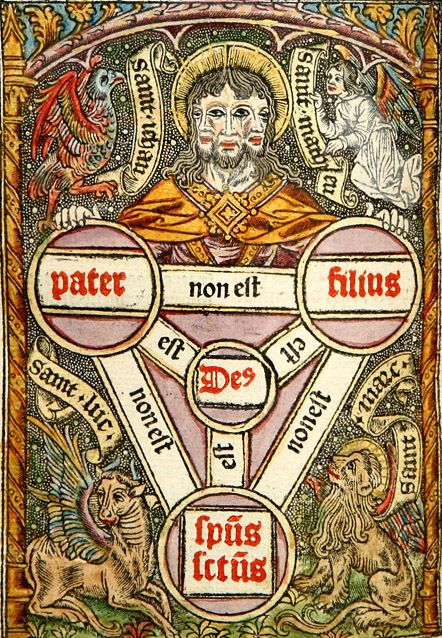
But the God who made the universe, who is stronger than any of us, lives in community. The Trinity itself is a community of perfect love between Father, Son, and Holy Spirit.
And the Father glorifies the Son because the son obeyed, putting on human flesh, and entered a community–even unto death.
The Eighth Commandment protects us, then, from assuming God’s place and claiming to be greater even than Him.
Don’t steal your neighbor’s money. But even more importantly, don’t try to steal God’s throne.
Let’s encourage each other in obedience by leaning on each other and trusting one another.
— Anderson Underwood